Let’s be real—living in the city often means tiny apartments, no backyard, and bare balconies that collect more dust than dreams. But hey, who says you need acres of land to enjoy gardening? If you’ve got a balcony (even a small one), you’ve got the perfect canvas for an urban jungle. 🌱
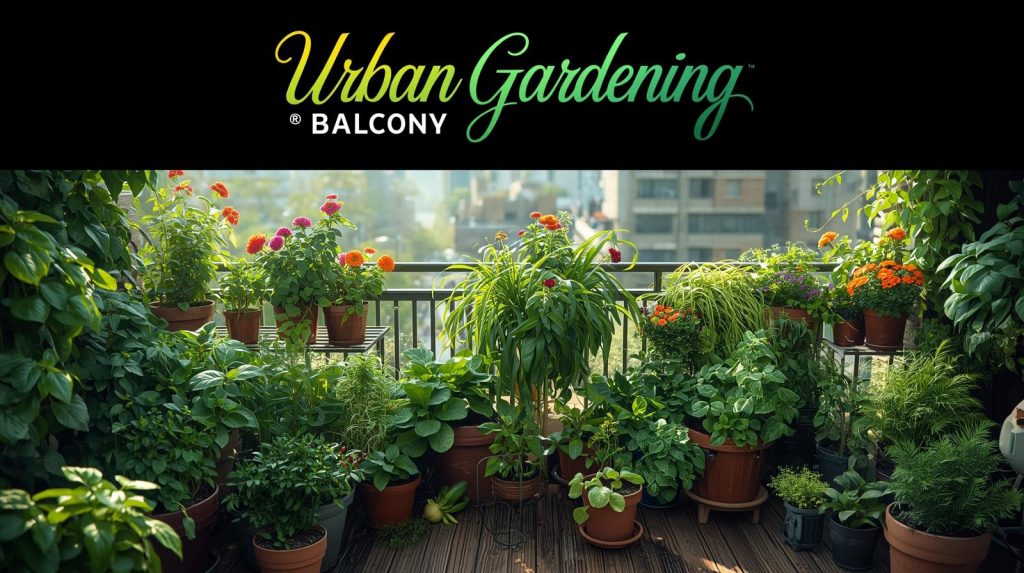
I still remember the first time I turned my dull city balcony into a cozy green nook—it was like discovering a secret escape right outside my sliding door. The smell of fresh basil, the sight of colorful blooms, and that soothing rustle of leaves made my mornings magical. Trust me, you can do it too—whether your balcony faces the sun all day or hides in the shade.
So grab your coffee (or a watering can ), and let’s talk about how to create your own urban gardening balcony—a little green heaven that even your neighbors will envy!
Step 1: Understanding Your Balcony’s Personality
Before you rush to buy plants, it’s time to get to know your space—yes, your balcony has a personality.
Sunlight Check
Spend a day observing your balcony. Ask yourself:
- Does it get direct sunlight most of the day? (Perfect for herbs and succulents!)
- Or is it more shaded and cool? (Fern lovers, this is your cue.)
Pro tip: Use a compass app on your phone. South-facing balconies get the most light, while north-facing ones are better for shade-loving plants.
Wind & Space
If your balcony gets strong winds, go for sturdy plants like lavender or rosemary. For smaller balconies, consider vertical gardening—you’ll save space and create a lush green wall.
Step 2: Choosing the Right Plants for Urban Balcony Gardening
Choosing plants is like building your dream team—each one brings something unique to your balcony’s vibe.
Herbs for Everyday Cooking
Imagine plucking fresh mint for your lemonade or basil for your pasta. Here are some easy herbs to start with:
- Basil – Loves sunlight and looks beautiful in small pots.
- Mint – Grows fast; great for teas and mojitos.
- Rosemary & Thyme – Fragrant and low-maintenance.
Flower Power 🌸
If color makes you happy (who doesn’t love a pop of pink or yellow?), go for:
- Petunias and Geraniums – Bright, hardy flowers that thrive in sunlight.
- Begonias and Impatiens – Great for shady balconies.
FYI, if you’re into art or DIY projects, these blooms can also inspire some fun Flower House Coloring Page Ideas—perfect for relaxing after a long day of gardening!
Edible Plants for Balcony Bites
Yes, you can grow your own mini salad bar! Try:
- Cherry tomatoes – Small but mighty.
- Lettuce and spinach – Great for partial shade.
- Chili peppers – Add some spice to your balcony (literally).
Step 3: Get Creative with Containers and Layout
Think of your balcony as a blank canvas—pots, planters, and shelves are your paintbrushes.
Go Vertical
Don’t have much floor space? No worries! Try:
- Hanging baskets
- Wall planters
- Vertical racks with tiered pots
These not only save space but also add dimension to your balcony garden.
Choose the Right Containers
Here’s a quick checklist:
- Lightweight pots for balconies with weight limits.
- Drainage holes to prevent soggy roots.
- Self-watering planters if you’re forgetful about watering (been there!).
Pro Decor Tip:
Mix and match materials—terracotta, metal, and woven baskets create that perfect boho-urban vibe. Add fairy lights or a small lantern for cozy nighttime charm.
Step 4: Soil, Water, and Fertilizer – The Holy Trinity
Okay, let’s talk about what’s under the surface—literally.
Soil
Balcony gardening calls for light, well-draining soil. You can mix:
- Potting soil
- Perlite or coco peat (for aeration)
- Compost (for nutrients)
Watering
Each plant has its mood:
- Succulents = once a week (they hate soggy roots)
- Herbs & flowers = every 2–3 days, depending on weather
Pro tip: Water early in the morning or late in the evening to avoid evaporation.
Fertilizer
Use organic compost or liquid fertilizer once every 2–3 weeks. Avoid over-fertilizing—plants don’t like overeating either!
Step 5: Design Like a Pro
Let’s be honest—half the fun of balcony gardening is making it Instagram-worthy, right?
Create Zones
If space allows, divide your balcony into small sections:
- Chill Corner: Add a small chair, rug, and your favorite plant beside it.
- Mini Greenhouse: Group herbs and veggies near sunlight.
- Flower Zone: Keep colorful flowers near the railing for that stunning street view.
Add a Personal Touch
A few ideas to make it uniquely yours:
- Paint your pots with Flower House Coloring Page Ideas as inspiration.
- Add small garden signs or labels.
- Place a tiny water feature or wind chime for soothing vibes.
Step 6: Balcony Garden Maintenance
Even a low-maintenance garden needs a little TLC. Here’s your easy routine:
- Water regularly, but don’t drown your plants.
- Prune dead leaves to encourage fresh growth.
- Rotate pots occasionally so all plants get sunlight evenly.
- Watch out for pests—a neem oil spray usually does the trick.
Bonus Tip: Once a month, deep-clean your balcony—wipe railings, dust pots, and check for drainage blockages.
Step 7: Dealing with Common Balcony Gardening Challenges
Every urban gardener faces a few hiccups, so don’t sweat it. Here’s how to handle them like a pro:
1. Limited Space
Solution: Go vertical! Use hanging planters or wall shelves.
2. Harsh Sun or Strong Wind
Solution: Use bamboo screens or sheer curtains to protect delicate plants.
3. Water Drainage Problems
Solution: Place saucers under pots and ensure all containers have drainage holes.
4. Pests and Bugs
Solution: Use natural repellents like neem oil or garlic spray—safe and effective.
5. Balcony Weight Limits
Solution: Stick with light containers and soil alternatives like coco peat.
Step 8: Benefits of Having an Urban Balcony Garden
Still wondering if it’s worth the effort? Let me convince you.
1. Instant Stress Relief
Nothing beats the calming effect of watering plants after a long day. Science agrees—it reduces stress and anxiety!
2. Fresher Air
Plants act as natural air purifiers. Even a few pots can improve indoor air quality.
3. Sustainable Living
Growing your own herbs and veggies means fewer store trips and less plastic waste.
4. Aesthetic Boost
A green balcony instantly upgrades your apartment’s vibe—plus, it’s a great backdrop for selfies. 😉
5. Sense of Accomplishment
Watching something grow because of you? That’s pure joy.
Step 9: Fun Additions to Your Balcony Garden
Wanna make your space even more fun? Here are a few creative add-ons:
- Mini DIY Projects: Try making your own plant markers or pebble art.
- Coloring Corner: Use Flower House Coloring Page Ideas for relaxing evenings surrounded by greenery.
- Tiny Wildlife: Add a bird feeder or butterfly-friendly plants—nature will thank you.
- Smart Gadgets: Invest in a small self-watering system or grow light if you’re into techy gardening hacks.
Step 10: Seasonal Balcony Gardening Tips
Your plants’ needs change with the seasons—just like ours!
Spring & Summer
- Best time to plant and grow.
- Water more frequently.
- Use shade cloth if sunlight gets too intense.
Fall
- Time to harvest and repot.
- Add compost to prepare for winter.
Winter
- Move delicate plants indoors.
- Reduce watering (roots rest during cold months).
Conclusion: Your Balcony, Your Oasis
So, there you have it—everything you need to know to turn your urban balcony into a blooming, peaceful retreat. Whether it’s herbs for your kitchen, flowers for your mood, or veggies for your plate, every plant adds a touch of magic to city living.
Just remember, you don’t need to be a pro gardener to start. Begin with one pot, one plant, and one sunny morning. Before you know it, your balcony will be buzzing with life—and maybe even inspiring your neighbors to start their own little jungles!