Let’s be honest — store-bought veggies just don’t hit the same anymore, do they? They look perfect, but somehow, the flavor feels… flat. That’s exactly what pushed me to try indoor vegetable gardening a few years back, and I’ve never looked back!
Growing your own food indoors isn’t just about saving money (though that’s a nice bonus). It’s about having control, freshness, and pride in what you eat. Imagine plucking crisp lettuce or cherry tomatoes straight from a pot on your windowsill. Sounds satisfying, right?
So, whether you live in a cozy apartment or a busy city flat, this guide will help you create your very own indoor vegetable paradise — even if your “garden” is just a sunny corner near the kitchen sink.
Why Indoor Vegetable Gardening Is Totally Worth It
There’s something magical about seeing a tiny seed sprout into something edible right in your living space. But beyond the novelty, there are some real benefits to growing vegetables indoors.
1. Fresh Produce All Year Round
No more waiting for spring or summer! Indoor gardening means constant harvests, no matter the season. With the right setup, you can grow greens in January or basil in July — all under your own roof.
2. Healthier Eating, Happier You
When your veggies are within arm’s reach, you’ll naturally start eating more greens. Plus, homegrown vegetables are pesticide-free, nutrient-rich, and packed with flavor.
3. Space-Friendly & Budget-Smart
Got no backyard? No problem! Indoor gardens thrive on windowsills, countertops, or shelves. All you need is a few containers and good lighting — way cheaper than a weekly grocery haul.
4. Stress Relief & Aesthetic Vibes
There’s something oddly calming about tending to plants. IMO, it’s the ultimate form of indoor therapy. Plus, those lush green leaves double as natural décor. (Who said your home can’t be a mini jungle?)
Getting Started: Setting Up Your Indoor Garden
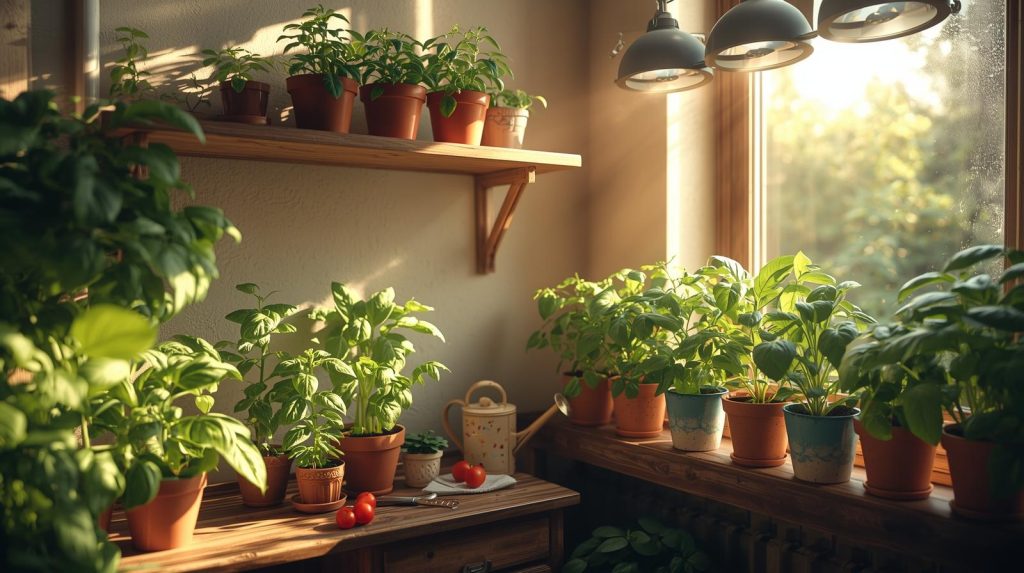
Before you dive in and start planting everything you see at the supermarket, let’s get the basics right.
1. Choose Your Growing Spot
Your plants will need at least 4–6 hours of sunlight daily. A south-facing window is ideal. But if you don’t have that luxury, don’t stress — LED grow lights can mimic natural sunlight beautifully.
Pro Tip: Use reflective surfaces like white walls or aluminum foil to bounce light and make your setup more efficient.
2. Pick the Right Containers
You can get creative here! Traditional pots work great, but recycled containers (like mason jars or yogurt cups) can look charming too — especially if you decorate them with a little DIY flair. (Kinda like those Flower House Coloring Page Ideas, but for real plants 😉).
Just make sure your containers have drainage holes, because soggy roots are a no-go.
3. Select Quality Soil and Fertilizer
Regular garden soil can get compacted indoors. Instead, go for light, well-draining potting mix made for vegetables. You can also mix in compost or organic fertilizer for an extra nutrient kick.
Best Vegetables to Grow Indoors
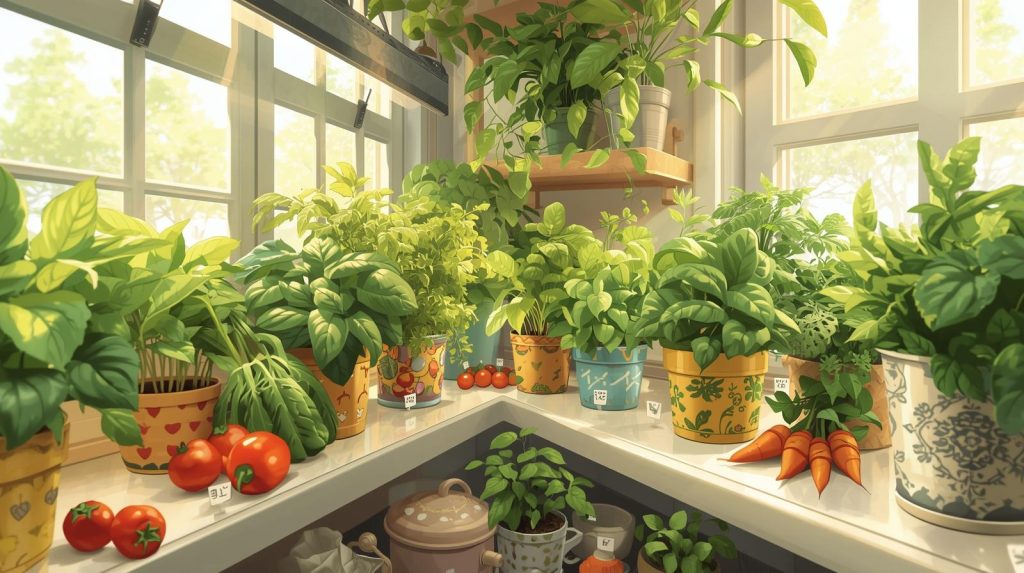
You don’t need acres of land to grow delicious food. Here are some veggies that thrive indoors — even in small spaces.
1. Leafy Greens
Lettuce, spinach, and kale are indoor gardening superstars. They don’t demand much sunlight and grow fast — perfect for beginners.
Tip: Harvest outer leaves first so your plants keep producing new ones.
2. Herbs
Basil, parsley, cilantro, and mint are kitchen favorites that grow beautifully indoors. Keep them near your cooking area for easy access.
Bonus: Fresh herbs instantly elevate any dish. Trust me, homemade pasta with your own basil? Chef’s kiss! 👌
3. Cherry Tomatoes
These little guys love the sun, so make sure they get plenty of light. Use small stakes or trellises to keep them upright once they start fruiting.
4. Peppers
Bell peppers and chili peppers add color and flavor to your garden. They’re slightly more demanding but totally worth it for the vibrant results.
5. Radishes & Carrots
Surprisingly easy to grow in deep containers! They don’t take up much space and give quick rewards.
Lighting: The Secret to Thriving Indoor Plants
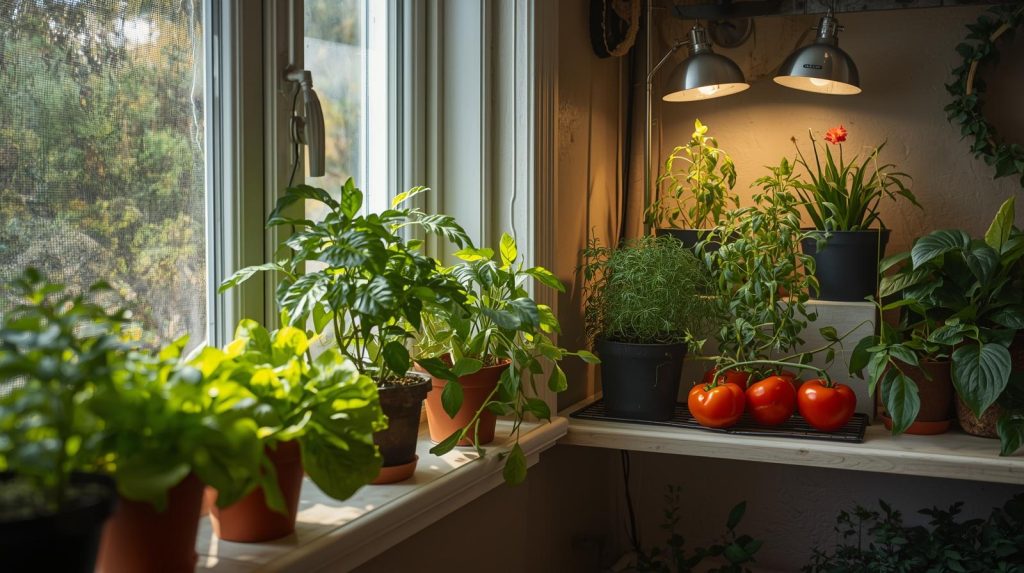
Light is everything in indoor gardening. Without enough of it, your plants can grow tall and thin (a condition called “leggy” — not cute!).
Natural Light vs. Grow Lights
- Natural Light: Ideal, free, and sustainable. Perfect for herbs and leafy greens near sunny windows.
- LED Grow Lights: Great backup option. They’re energy-efficient, don’t overheat, and let you grow veggies in any room — even a basement.
When using grow lights:
- Keep them 6–12 inches above the plants.
- Run them for 12–16 hours a day.
- Adjust the height as your plants grow.
Watering and Maintenance Tips
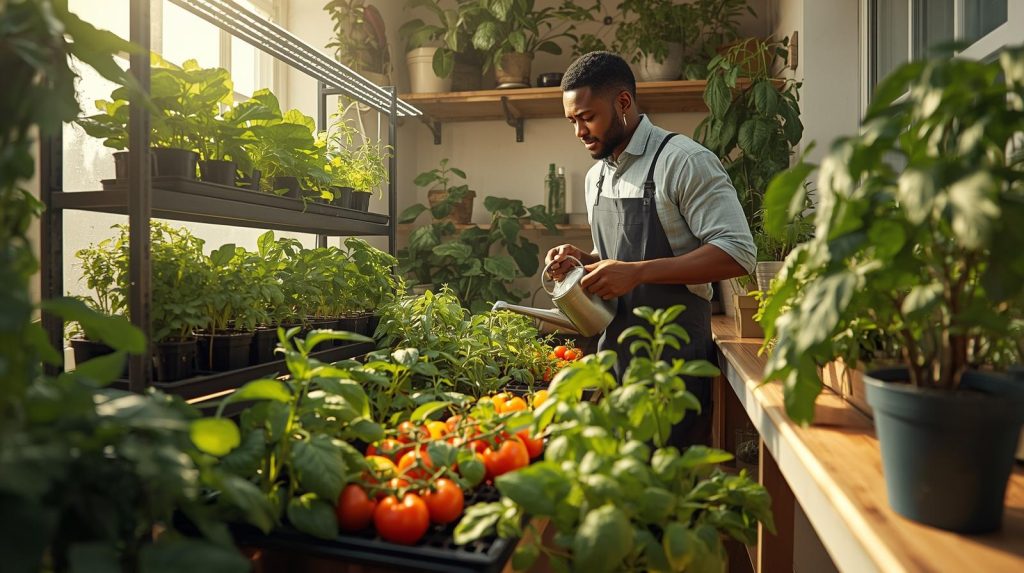
Overwatering is the #1 mistake most beginners make (been there, done that).
Here’s the golden rule: water when the top inch of soil feels dry.
Extra Tips:
- Use a spray bottle for gentle watering.
- Place a saucer under pots to catch excess water.
- Mist leaves occasionally to maintain humidity — especially during winter.
Also, remember to rotate your pots every few days so all sides get equal light.
Troubleshooting Common Problems
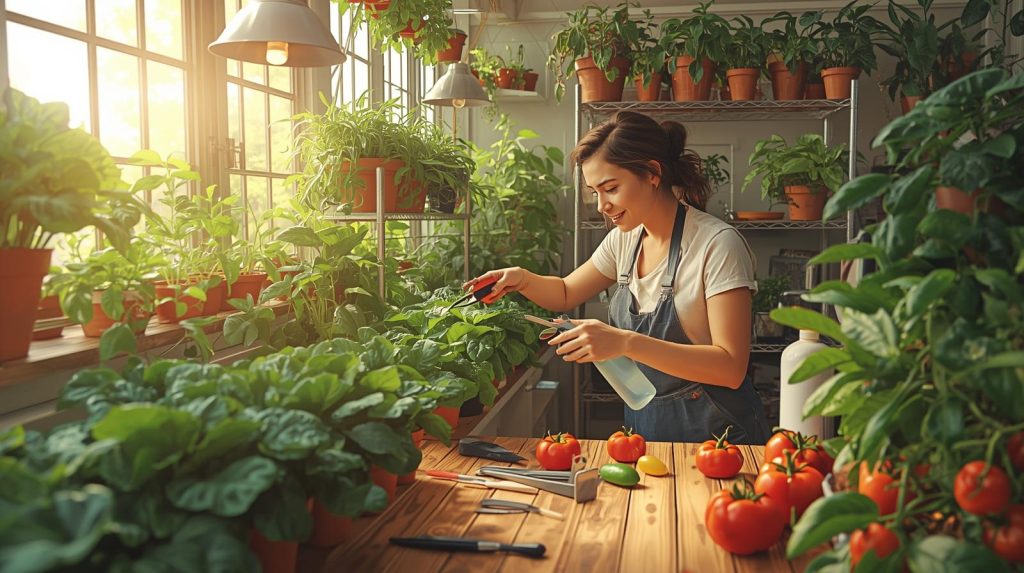
Even seasoned gardeners hit a few bumps along the way. Let’s look at how to handle common issues before they frustrate you.
1. Yellow Leaves
Usually a sign of overwatering or poor drainage. Let the soil dry out a bit and check for clogged holes.
2. Leggy Plants
Your plants are reaching for light! Move them closer to a window or increase grow light hours.
3. Pests
Tiny insects like aphids can sneak in. Wipe leaves with a mild soap solution or use neem oil spray — it’s organic and safe.
4. Slow Growth
Might be due to low light or nutrient deficiency. Try adding a little compost tea or liquid fertilizer every few weeks.
Creative Indoor Gardening Ideas
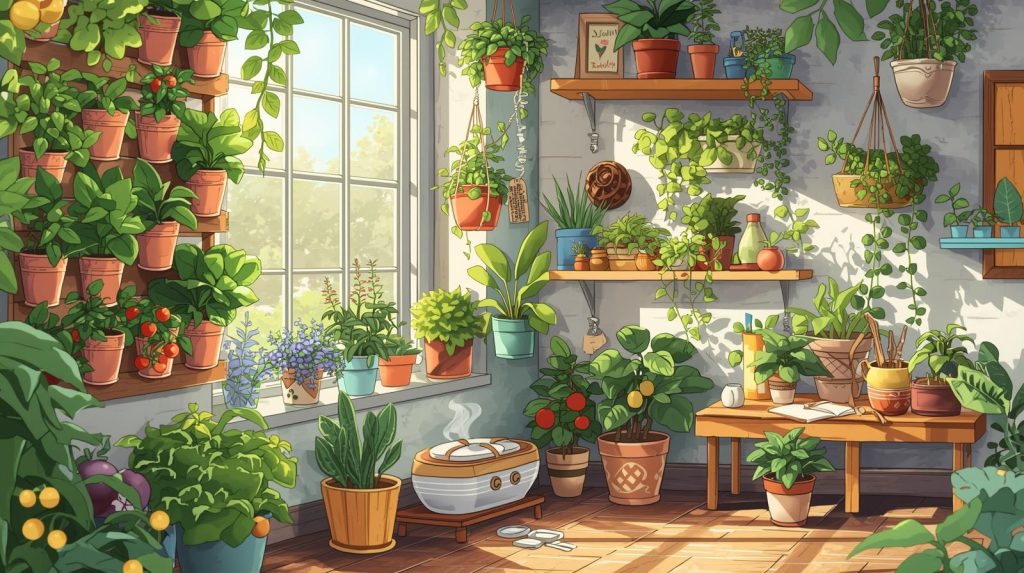
Now that your veggies are growing, why not make your setup look gorgeous too?
- Vertical Gardens: Hang pots on a wall or shelf to maximize space.
- Hydroponic Systems: No soil required! Great for tech-lovers who enjoy monitoring nutrient levels.
- Decorative Planters: Paint your pots with Flower House Coloring Page Ideas for a splash of creativity and color.
- Mini Greenhouses: Clear plastic containers or small tents can help maintain humidity and temperature for delicate plants.
Harvesting and Enjoying Your Produce
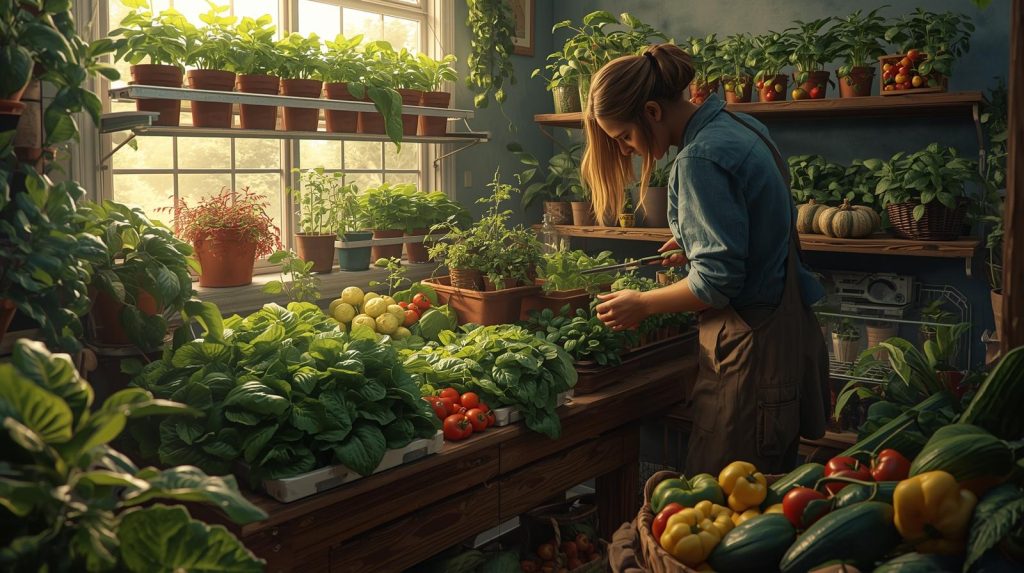
This is the most rewarding part! Once your veggies are ready, snip or pull them gently. Avoid uprooting unless you’re replanting.
Pro Tip: Always harvest in the morning — that’s when veggies are freshest and most flavorful.
Use your homegrown produce in salads, stir-fries, or smoothies. You’ll taste the difference, I promise.
Going the Extra Mile: Advanced Indoor Gardening Tips
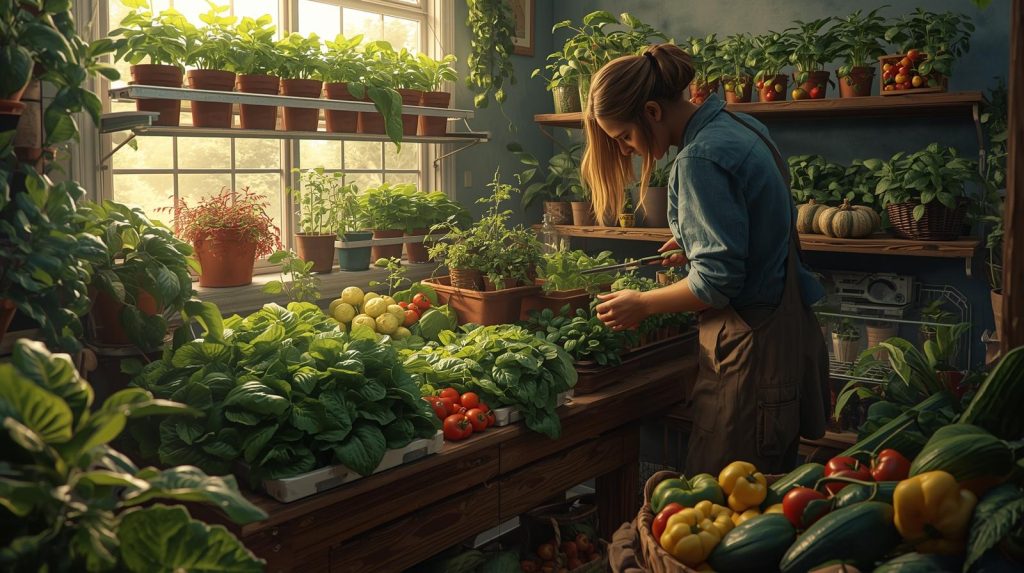
Ready to level up your indoor gardening game? Try these pro moves:
- Companion Planting: Grow herbs like basil near tomatoes — they boost each other’s growth.
- DIY Composting: Even a small kitchen bin can supply nutrient-rich compost.
- Temperature Control: Most veggies love 65–75°F (18–24°C). Keep them away from heaters or AC vents.
- Plant Journaling: Note growth patterns, watering times, and harvest dates. It’s fun and helps you improve over time.
Conclusion: Bring the Garden Home, One Pot at a Time 🌱
Indoor vegetable gardening isn’t just a hobby — it’s a lifestyle shift toward healthier, more mindful living. You don’t need acres of land or fancy gear; just a bit of curiosity, patience, and a sunny spot.
From fresh herbs on your windowsill to colorful peppers lighting up your kitchen, growing your own veggies indoors is both empowering and fulfilling.
So, grab some seeds, get your hands a little dirty, and start small — because before you know it, you’ll be enjoying salads straight from your living room. And hey, if you ever get bored, you can always decorate your pots with those Flower House Coloring Page Ideas for that extra creative spark! 🌸
Happy gardening, my fellow green-thumb-in-training! 🌿