So, you’ve been thinking about starting a garden, huh? Maybe you’ve scrolled past those dreamy backyard setups on Instagram, or you’ve seen your neighbor’s tomato plants thriving and thought, “I could do that!” Well, you’re in the right place. Gardening might feel intimidating at first, but trust me—it’s way less complicated than it seems.
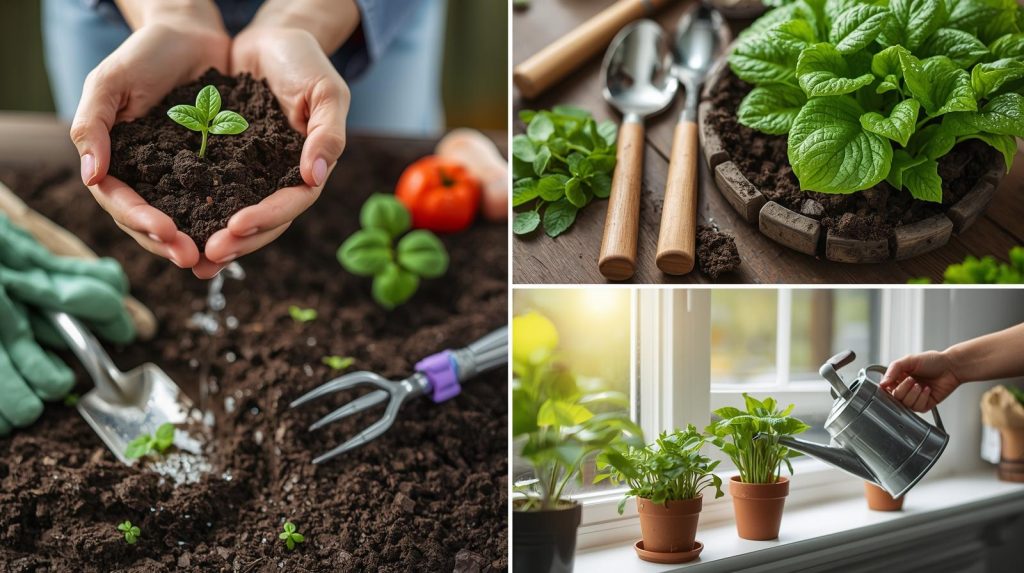
When I started gardening, I literally killed a cactus. Yep, the plant that barely needs water. But guess what? Fast-forward a few years, and I’m proudly harvesting cucumbers, herbs, and flowers. If I can do it, anyone can.
This article is all about gardening for beginners—your no-stress, down-to-earth guide to getting your hands dirty (in the best way). Let’s dig in (pun totally intended).
Why Gardening is Totally Worth It
Before we dive into the how-to, let’s talk about the why. Why should you even bother?
- Stress relief: Nothing beats the calm you feel while watering your plants after a long day.
- Fresh food: Homegrown veggies and herbs taste so much better than store-bought.
- Exercise: Pulling weeds, digging soil, and carrying pots? Yep, that’s a workout.
- Sustainability: Growing even a little bit of your own food helps reduce packaging and transportation impact.
Step 1: Start Small and Keep It Simple
If you’re brand new, don’t try to plant an entire jungle right away. Trust me, you’ll get overwhelmed and frustrated. Instead, start with a few easy wins.
What to Grow First
Some plants are basically the “training wheels” of gardening. They’re forgiving, tough, and fast-growing:
- Herbs: Basil, mint, parsley, chives.
- Leafy greens: Spinach, lettuce, arugula.
- Veggies: Radishes, cherry tomatoes, zucchini.
- Flowers: Marigolds, sunflowers, zinnias.
These plants don’t need a ton of special care and will give you quick gratification. And IMO, seeing those first sprouts is addictive.
Step 2: Know Your Space
Not all gardens are created equal. Your setup depends on where you live and how much space you have.
Balcony or Small Space Gardening
If you’ve got nothing but a balcony or windowsill, no problem! Use:
- Containers (pots, buckets, recycled jars).
- Vertical planters or hanging baskets to save space.
Backyard Gardening
Lucky you! If you’ve got a yard:
- Start with a 4×4 raised bed—it’s manageable and neat.
- Pick a sunny spot (at least 6 hours of sunlight).
- Test your soil with a simple kit from a garden store.
Step 3: Get the Right Tools (Without Breaking the Bank)
You don’t need to buy out the entire garden center. A few basics will do just fine.
Must-Have Tools for Beginners
- Hand trowel – For digging and planting.
- Watering can or hose – To keep your babies hydrated.
- Gloves – Because blisters and dirt under your nails are not cute.
- Pruners – For trimming and harvesting.
Step 4: Understand the Magic of Soil
Here’s the deal: soil is more than dirt. It’s the lifeblood of your garden.
Good Soil = Healthy Plants
- Loamy soil is the gold standard. It’s a balance of sand, silt, and clay.
- Add compost for extra nutrients (kitchen scraps like veggie peels work great).
- Avoid compacted soil—it suffocates roots.
If you’re unsure, just buy a bag of organic potting mix. It’s foolproof for beginners.
Step 5: Master the Art of Watering
Want to know the #1 killer of beginner plants? Overwatering. Yep, plants drown when you give them too much love.
Watering Basics
- Stick your finger into the soil. If it’s dry an inch down, it’s time to water.
- Water deeply, not just the surface—roots need it most.
- Early morning is the best time to water (less evaporation).
Step 6: Sunshine is Your Best Friend
Plants are like us—they need sunlight to thrive.
- Full sun plants (tomatoes, peppers, cucumbers) need 6–8 hours.
- Partial shade plants (lettuce, herbs) need around 3–4 hours.
Watch where the sun hits your space during the day, then match plants to the right spot.
Step 7: Don’t Freak Out About Pests
Every gardener eventually meets the enemy: bugs. But don’t panic. Most of the time, pests are manageable.
Natural Pest Control for Beginners
- Plant marigolds—they repel certain bugs.
- Use neem oil spray or a mix of soap and water.
- Encourage ladybugs—they eat aphids like candy.
Remember, a few holes in your leaves are normal. Your plants are tougher than you think.
The most rewarding part of gardening? Harvesting! But when do you know your veggies are ready?
- Tomatoes: Fully colored and slightly soft.
- Lettuce & greens: Pick outer leaves first, let the rest keep growing.
- Herbs: Snip regularly—this actually helps them grow bushier.
- Zucchini: Pick when about 6–8 inches long (too big = watery).
Trust your senses—smell, touch, taste. You’ll know.
Step 9: Learn as You Grow
Here’s the truth: no gardener gets everything right the first time. Plants will die. Pests will win sometimes. But every “oops” is a lesson.
Keep a garden journal—write down what you planted, when you watered, and what worked. By next season, you’ll be a pro.
And don’t forget—YouTube and gardening forums are goldmines for quick tips and troubleshooting.
Step 10: Keep It Fun!
This is the most important step. Gardening isn’t about perfection; it’s about enjoyment.
- Decorate your space with funky pots or painted rocks.
- Involve kids, friends, or even neighbors.
- Try new plants each season.
The more fun you make it, the more likely you’ll stick with it.
Quick FAQs on Gardening for Beginners
Q: Do I need a green thumb to succeed?
A: Nope! Gardening is a skill, not a gift. You’ll learn as you go.
Q: How much time does it take?
A: A few minutes daily to water and check on things. Bigger projects, like setting up beds, take longer but are worth it.
Q: What if I fail?
A: Failure is part of gardening. Start small, try again, and celebrate the wins.
Conclusion: Ready to Grow?
So, there you have it—gardening for beginners broken down into easy, practical steps. Start small, pick the right plants, give them love (but not too much), and learn along the way.
Remember my cactus story? If someone who killed the world’s easiest plant can now grow cucumbers and basil, you can totally crush this.