Have you ever dreamed of stepping outside your door, plucking a fresh tomato, and tossing it straight into your salad? That’s the magic of container gardening vegetables. No big backyard? No problem. Whether you’re rocking a tiny balcony, a small patio, or just a sunny windowsill, you can still grow your own food.
I started container gardening a few years ago when I moved into an apartment. Honestly, I thought veggies needed a “real” garden. Turns out, a couple of pots, good soil, and sunlight were all I needed. Trust me, once you see your first cherry tomato ripen, you’ll be hooked too.
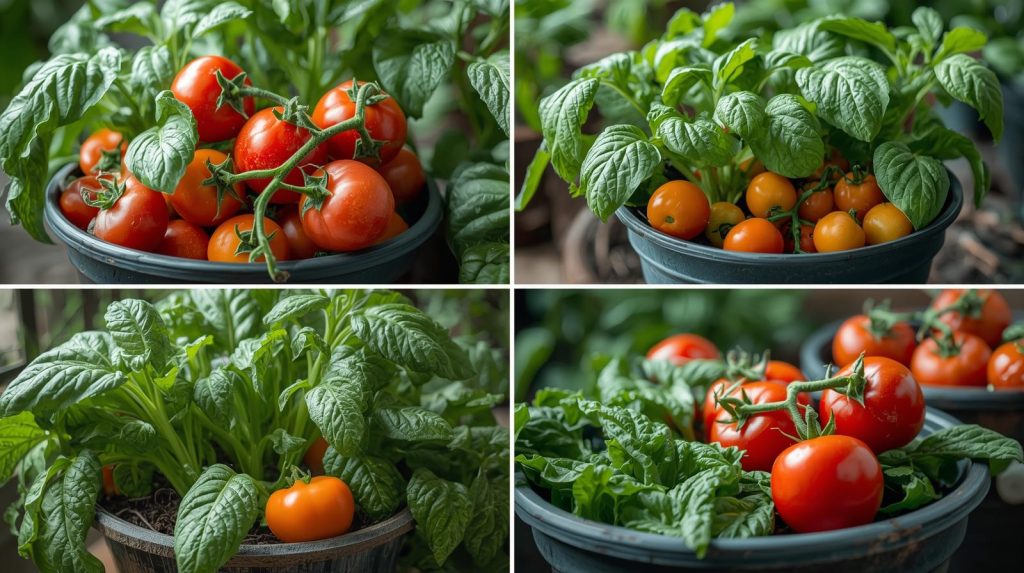
Why Choose Container Gardening Vegetables?
Before diving into the “how,” let’s talk about the “why.”
Flexibility and Control
Growing in containers gives you total control. You decide where the plants go, how much water they get, and even move them if the weather acts up.
Space Saver
No yard? No worries. Containers fit just about anywhere—balconies, porches, rooftops, or even a windowsill.
Healthier Plants
FYI, container-grown plants often have fewer pest and soil-borne disease issues compared to ground gardening.
Choosing the Right Container
Not all containers are created equal, and IMO, picking the right one is half the battle.
Size Matters
- Small containers (6–8 inches deep): Great for herbs, lettuce, and radishes.
- Medium containers (8–12 inches deep): Perfect for peppers, spinach, and bush beans.
- Large containers (12–18+ inches deep): Best for tomatoes, cucumbers, and eggplants.
Material Choices
- Plastic pots: Lightweight and affordable.
- Terracotta/clay: Breathable but can dry out quickly.
- Wooden boxes: Rustic look and excellent insulation.
- Grow bags: Flexible, breathable, and easy to store when not in use.
Best Vegetables for Container Gardening
Here’s the fun part—choosing what to grow.
Leafy Greens
- Lettuce
- Spinach
- Kale
These are quick growers and don’t demand much space. You can snip and regrow multiple times.
Fruiting Vegetables
- Tomatoes (cherry or dwarf varieties thrive in containers)
- Peppers (both sweet and hot)
- Eggplants
Root Vegetables
- Carrots (opt for shorter varieties)
- Radishes
- Beets
Bonus Herbs
While not “vegetables,” herbs like basil, mint, and parsley pair beautifully in containers alongside your veggies.
Soil, Fertilizer, and Watering Basics
Your veggies won’t thrive on plain old backyard dirt. Let’s break this down.
Soil
Use high-quality potting mix, not garden soil. It’s lighter, drains better, and provides the right nutrients.
Fertilizer
Container veggies need regular feeding since nutrients wash out quickly. Go for:
- Slow-release fertilizer (mix into soil at planting).
- Liquid feed (apply every 2–3 weeks for a boost).
Watering
Containers dry out faster, so keep an eye on moisture. A good rule of thumb: water when the top inch of soil feels dry.
Light and Placement
Most veggies need 6–8 hours of sunlight daily. No direct sun? No problem! Many veggies still do fine with grow lights.
Smart Placement Ideas
- Balconies facing south = jackpot.
- Windowsills for smaller pots (herbs and lettuce love this).
- Rooftop spots if you want to scale up.
Common Challenges and Easy Fixes
Even with the best care, container gardening has its hiccups.
Challenge 1: Plants Drying Too Fast
Solution: Use larger containers or add mulch on top of the soil to lock in moisture.
Challenge 2: Yellowing Leaves
Solution: Could be overwatering or lack of nutrients. Adjust watering schedule and add a liquid fertilizer.
Challenge 3: Pests
Solution: Handpick bugs, use neem oil spray, or companion plant (like basil near tomatoes to ward off aphids).
Creative Container Ideas
Who said containers have to be boring?
- Repurpose old buckets, crates, or even bathtubs.
- Vertical gardening racks to maximize space.
- Hanging baskets for strawberries or cherry tomatoes.
This is where you can get artsy and practical at the same time.
Seasonal Tips for Container Gardening Vegetables
Spring
Start with fast-growing greens like lettuce and radishes.
Summer
Bring on the tomatoes, cucumbers, and peppers—they thrive in the heat.
Fall
Plant kale, carrots, and beets for cooler harvests.
Winter (if indoors)
Grow microgreens or herbs with the help of grow lights.
Quick Beginner’s Checklist
Here’s a handy recap if you’re just starting:
- Pick containers with good drainage.
- Choose vegetables suited to container life.
- Use quality potting soil.
- Water consistently but don’t overdo it.
- Feed plants regularly.
- Ensure at least 6 hours of sunlight.
- Watch for pests and fix issues early.
Conclusion: Ready to Grow Your Own Veggies?
So, that’s the scoop on container gardening vegetables. You don’t need acres of land or fancy equipment—just a container, soil, seeds, and a little love. Growing food this way is not only convenient but also deeply satisfying.