Ever looked at your small backyard, balcony, or patch of dirt and thought: “There’s no way I can grow a full garden here”? Well, let me stop you right there, because the square foot gardening layout is about to blow your mind. This method is all about growing more veggies, herbs, and flowers in way less space—without feeling overwhelmed by weeds, rows, or complicated designs.
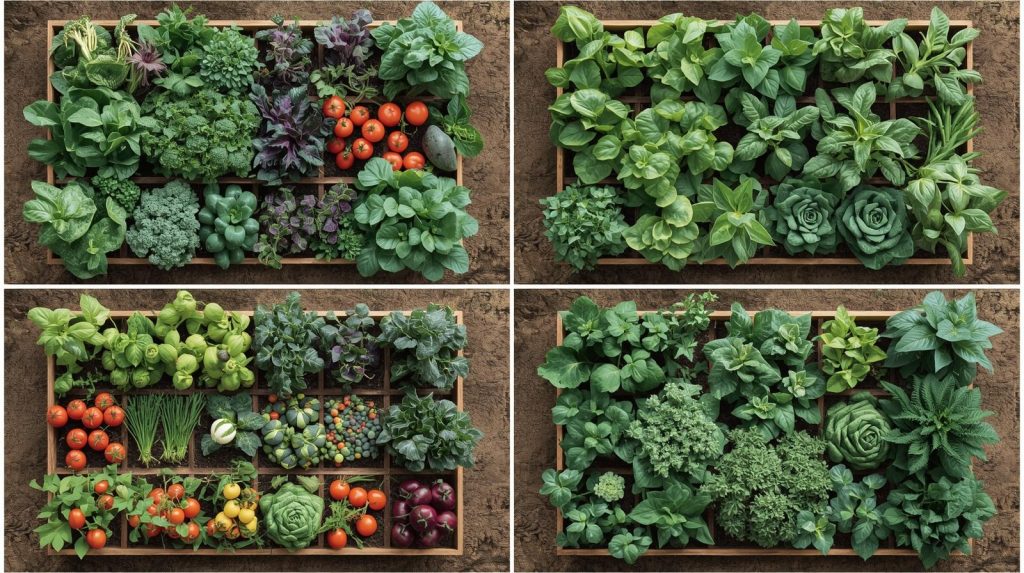
I stumbled across square foot gardening when I was struggling with a tiny garden space of my own. Honestly? It completely changed how I look at gardening. No more wasted soil, no more endless weeding sessions, and no more wondering if I was planting things too close together. If you’re curious about how to turn your cramped space into a productive, beautiful garden—stick around, because this guide has your back.
What is Square Foot Gardening, Anyway?
At its core, square foot gardening (SFG) is a super simple method where you divide your growing area into 1×1 foot sections. Instead of thinking in rows, you think in squares. Each square gets a specific crop, and boom—you’ve got yourself a tidy, organized garden that’s easy to manage.
This technique was popularized by Mel Bartholomew in the 1980s, and trust me, it’s still just as relevant today—maybe even more so, with so many of us working with smaller yards or urban spaces.
Why it works:
- It maximizes growing space.
- It keeps everything neat and organized.
- It reduces weeds (because you’re not leaving “wasted” soil bare).
- It makes planning way easier.
The Basics of a Square Foot Gardening Layout
Before we dive into advanced tips and creative layouts, let’s cover the basics so you’ve got a solid foundation.
Step 1: Build or Mark Your Beds
Most square foot gardens are built in raised beds (usually 4 feet by 4 feet), but you can also mark off squares directly on the ground if you prefer.
Step 2: Divide into Squares
Use string, wood, or even sticks to mark out 1-foot squares across your bed. You’ll end up with 16 squares in a 4×4 bed.
Step 3: Plant According to Space Needs
Different crops take up different amounts of space. For example:
- 1 plant per square: tomato, pepper, broccoli
- 4 plants per square: lettuce, basil
- 9 plants per square: beets, spinach
- 16 plants per square: radishes, carrots
Step 4: Rotate and Replant
When one crop is done, replant the square with something new. This keeps your garden productive all season long.
Designing the Perfect Square Foot Gardening Layout
So, how do you actually plan this thing? IMO, this is the fun part. Think of your garden as a puzzle you get to design.
Key Things to Consider
- Sunlight: Taller plants like tomatoes should go in the back (north side of your bed) so they don’t block shorter crops.
- Companion planting: Some crops grow better together (like basil and tomatoes = chef’s kiss ).
- Variety: Mix in flowers or herbs to keep things looking pretty and help deter pests.
Example Layout for a 4×4 Bed
Here’s one possible square foot gardening layout to get you started:
- Top row (north side): 4 tomato plants (1 per square)
- Second row: 4 basil plants (4 per square = 16 plants total)
- Third row: 4 lettuce squares (4 per square = 16 heads of lettuce!)
- Bottom row: Carrots and radishes (16 per square)
This setup gives you a nice mix of tall, medium, and short crops, while also creating a little built-in companion planting system.
Tips and Tricks for Success
Even though the method is simple, these little hacks can make your square foot gardening layout shine.
Soil is King
Forget plain garden soil. Square foot gardening usually uses a special mix called “Mel’s Mix” (1/3 compost, 1/3 peat moss, 1/3 vermiculite). It’s light, drains well, and keeps roots happy.
Keep It Accessible
Raised beds should be no wider than 4 feet so you can easily reach the center without stepping in and compacting the soil.
Plan for Succession Planting
Don’t just plant once and call it a day. When lettuce bolts in summer, swap it out for bush beans. When radishes are done, drop in some spinach.
Water Smarter
Because squares are tightly packed, the soil tends to dry out faster. A drip irrigation system or soaker hose can be a lifesaver.
Variations on Square Foot Gardening Layouts
Not all gardens are the same, so let’s talk about a few ways you can tweak your layout.
1. Balcony or Container SFG
Don’t have a backyard? No problem. Use containers, crates, or even large planters divided with sticks or string. The concept works the same way.
2. Vertical Square Foot Gardening
If you’re really short on space, train plants like cucumbers, beans, and peas to grow upward on trellises. This not only saves ground space but also reduces pests and makes harvesting easier.
3. Themed Layouts
Want to have fun with it? Try creating layouts based on themes:
- Pizza Garden: Tomatoes, basil, oregano, peppers, onions.
- Salad Garden: Lettuce, spinach, radishes, cucumbers, carrots.
- Kids’ Garden: Sunflowers, strawberries, peas, cherry tomatoes.
Common Mistakes to Avoid
Even with a simple method like SFG, there are a few pitfalls newbies often run into. Here’s a quick rundown:
- Overcrowding: Stick to the spacing guide—more isn’t always better.
- Ignoring crop rotation: Planting tomatoes in the same square year after year can deplete nutrients and invite pests.
- Forgetting to replant: One of the biggest perks of this system is succession planting. Don’t leave empty squares!
- Not labeling squares: Trust me, once those seedlings sprout, it’s easy to forget what you planted where.
Why I Love Square Foot Gardening
Let me get personal here for a second. When I first tried square foot gardening, I was skeptical. Could I really get enough food out of a 4×4 plot? Spoiler alert: I ended up with more lettuce than I could eat, a jungle of basil, and enough tomatoes to keep my neighbors happy.
But the real kicker? It made me enjoy gardening more. No stress, no complicated rows, and everything looked so neat and pretty. Plus, harvesting was literally as simple as walking up to a square and snipping what I needed for dinner.
Conclusion
So, there you have it—everything you need to know about creating the perfect square foot gardening layout. From the basics of dividing your bed into tidy little squares to advanced variations like vertical growing and themed gardens, this method is a total game-changer for anyone short on space (or patience).
Remember:
- Start with a 4×4 bed and divide into 16 squares.
- Match crops to their spacing needs.
- Use companion planting and rotation to keep things thriving.
- Have fun experimenting with creative layouts.