Have you ever looked around your apartment balcony, tiny patio, or even windowsill and thought, “Nope, gardening isn’t for me—there’s just no space”? Trust me, you’re not alone. Most of us dream of fresh herbs, juicy tomatoes, or colorful flowers, but then reality kicks in: limited space.
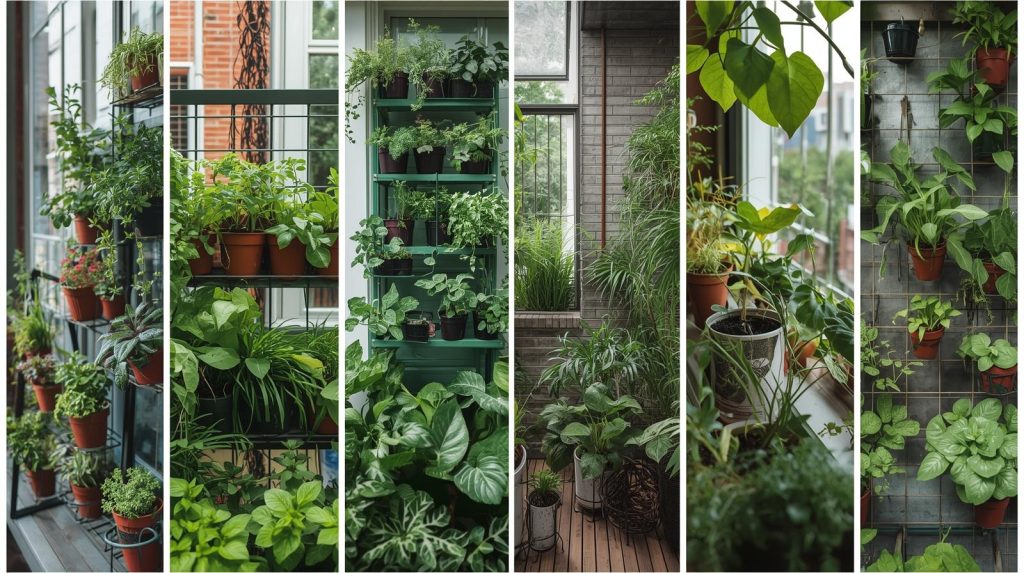
Here’s the good news: small space gardening makes it totally possible to grow a lush, thriving garden even if you live in a studio apartment or a house with nothing but a front porch.
I started small space gardening when I moved into a city apartment with literally zero backyard. At first, I thought I’d only manage a sad pot of basil. Fast-forward a few months, and I had tomatoes climbing a trellis, lettuce thriving in a hanging basket, and even strawberries peeking out of containers. Honestly, it felt like magic.
So, if you’ve been craving some green in your life, pull up a chair and let’s chat about how to make the most of every inch of space you have.
Why Small Space Gardening is Totally Worth It
Before we dive into the “how,” let’s look at the “why.”
Fresh Food, Right at Home
Even with a tiny garden, you can harvest herbs, salad greens, and even root veggies without a trip to the store.
Stress Relief
Caring for plants (even just a few pots) reduces stress. There’s something calming about watching things grow.
Space Saver
With smart planning, you’ll be shocked at how much food you can grow in a small footprint.
Greener Living
IMO, nothing feels better than reducing your carbon footprint with homegrown produce.
Containers: The Backbone of Small Space Gardening
If you’re short on space, containers are your best friend.
Choosing the Right Container
- Small pots (6–8 inches): Herbs like basil, mint, parsley.
- Medium pots (10–12 inches): Peppers, lettuce, spinach.
- Large containers (15–18 inches): Tomatoes, cucumbers, small citrus trees.
Material Options
- Plastic pots: Lightweight and budget-friendly.
- Clay pots: Classic look but dry out faster.
- Wooden boxes: Rustic charm and excellent insulation.
- Fabric grow bags: Breathable and easy to store when not in use.
Pro tip: Always check for drainage holes. Without them, your plants risk drowning.
Vertical Gardening: Going Up Instead of Out
When floor space is limited, it’s time to think vertical.
Easy Vertical Options
- Trellises: Perfect for cucumbers, peas, and pole beans.
- Hanging baskets: Ideal for strawberries, cherry tomatoes, and herbs.
- Wall planters: Grow flowers, lettuce, or succulents right on the wall.
- Stacked planters: Tiered systems that let you grow multiple plants in layers.
With vertical gardening, even a blank wall or balcony railing can turn into a mini green oasis.
Best Plants for Small Space Gardening
Not all plants are created equal when it comes to tight quarters. Here’s what works best.
Leafy Greens
- Lettuce
- Spinach
- Kale
Quick growers that thrive in shallow containers.
Compact Vegetables
- Cherry tomatoes
- Bell peppers
- Eggplants (choose dwarf varieties)
Root Crops
- Radishes
- Carrots (look for short, round varieties)
- Beets
Herbs
- Basil
- Mint (keep in its own pot—mint spreads fast!)
- Chives
- Parsley
Fruity Additions
- Strawberries
- Dwarf citrus trees (lemon, lime, or kumquat)
Soil, Fertilizer, and Watering: The Basics
Your plants need the right foundation to thrive in tight quarters.
Soil
Skip backyard dirt—it’s too heavy for containers. Instead, use high-quality potting mix that’s light and drains well.
Fertilizer
Because containers lose nutrients quickly, fertilize regularly. Options include:
- Slow-release granules: Mix into the soil at planting.
- Liquid feed: Add every 2–3 weeks during the growing season.
Watering
Small containers dry out faster than garden beds. Rule of thumb:
- Stick your finger an inch into the soil—if it’s dry, water.
- Water deeply until it drains from the bottom.
Light: The Secret Ingredient
Most plants need 6–8 hours of sunlight daily. But what if you don’t have a sunny backyard?
Workarounds
- South-facing balconies/windowsills are gold.
- Grow lights can supplement when natural sunlight is limited.
- Reflective surfaces (like mirrors or light-colored walls) bounce extra light onto your plants.
Clever Hacks to Maximize Your Space
When it comes to small space gardening, creativity goes a long way.
Multi-Use Containers
Use mason jars for herbs, shoe organizers for lettuces, or old crates for root veggies.
Companion Planting
Pair plants that help each other out in the same container. Example: tomatoes + basil (bonus: delicious combo in the kitchen too).
Rolling Planters
Add wheels to large pots so you can chase the sun or rearrange your mini garden easily.
Small Space Gardening Challenges (and Fixes)
Even tiny gardens have their hiccups, but don’t worry—there are easy fixes.
Challenge 1: Overcrowding
Fix: Stick to recommended plant spacing. Remember, more isn’t always better.
Challenge 2: Water Drying Out Too Quickly
Fix: Mulch with straw, shredded leaves, or even decorative stones.
Challenge 3: Pests
Fix: Use natural repellents like neem oil, introduce beneficial insects, or cover plants with lightweight mesh.
Seasonal Planting in Small Spaces
Spring
- Radishes, peas, spinach.
Summer
- Tomatoes, peppers, cucumbers.
Fall
- Kale, beets, carrots.
Winter (indoors)
- Microgreens, herbs, lettuce under grow lights.
Small Space Gardening vs. Traditional Gardening
Let’s do a quick comparison to highlight why this method shines.
| Feature | Small Space Gardening | Traditional Gardening |
|---|---|---|
| Space | Compact, efficient | Requires large plots |
| Cost | Low (fewer tools/soil) | Higher setup costs |
| Yield | Surprisingly high | Spread out over rows |
| Effort | Less weeding/maintenance | More physical work |
Quick Beginner’s Checklist
If you’re itching to get started, here’s a fast-track checklist:
- Choose containers with good drainage.
- Use lightweight potting mix.
- Pick compact or dwarf plant varieties.
- Ensure at least 6 hours of sunlight (or use grow lights).
- Water consistently, but don’t overdo it.
- Fertilize regularly to replace lost nutrients.
- Think vertical to expand growing space.
Conclusion: Small Spaces, Big Rewards
And there you have it—the wonderful world of small space gardening. Just because your home lacks a sprawling backyard doesn’t mean you can’t enjoy fresh produce, herbs, and flowers. With containers, vertical setups, and smart plant choices, you can turn even the tiniest balcony or window ledge into a mini green paradise.
Remember, it’s not about how much space you have; it’s about how creatively you use it. My little balcony garden taught me that even a handful of pots can deliver joy, flavor, and a touch of nature every single day.