The first time I tried bucket gardening 5 gallon style, I grew a tomato plant in a single bucket on my porch. To my surprise, it thrived. Soon enough, I had peppers, herbs, and even potatoes growing in other buckets. It felt like having a mini-farm without the stress of traditional gardening. And honestly? It was way more fun than I expected.
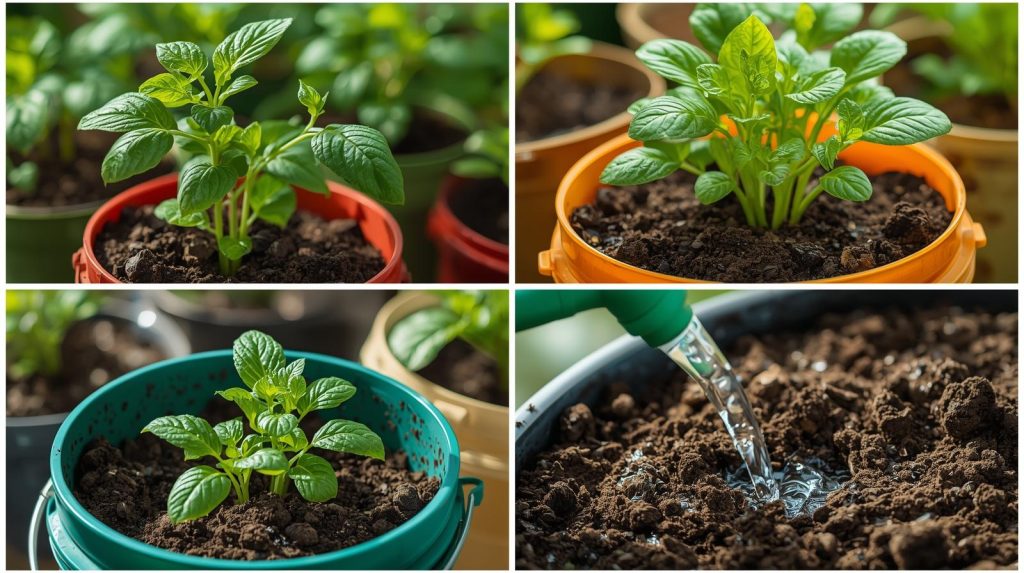
If you’ve ever wondered how to start growing food in tight spaces, let’s chat. I’ll walk you through everything you need to know about bucket gardening with 5-gallon containers—from setup to plant choices, tips, and even mistakes to avoid.
What is Bucket Gardening 5 Gallon?
At its core, bucket gardening is simply using 5-gallon containers as mini planters. These buckets are deep enough for roots, portable enough to move around, and cheap enough that anyone can get started. Think of them as personal raised beds—just smaller and way easier to manage.
Why Buckets Work So Well
- Depth: 5 gallons gives most plants enough root room.
- Portability: Move them to chase the sun or avoid bad weather.
- Budget-friendly: Buckets are inexpensive or sometimes free.
- Versatility: You can grow veggies, herbs, fruits, or even flowers.
Getting Started: Choosing the Right Bucket
Not all buckets are created equal, so let’s start with the basics.
Food-Grade vs. Non-Food-Grade
Always choose food-grade buckets (look for a “2” or “5” in the recycling symbol). These buckets are safe for growing edible plants. Avoid ones that held chemicals or paint—no one wants toxic tomatoes.
Color Considerations
- White or light-colored buckets are best because they reflect heat.
- Black buckets can overheat in direct sun, so paint them or shade them if needed.
DIY Touch
If you’re into a little DIY, you can decorate or paint your buckets to make them more attractive on your balcony or patio. Who said gardening can’t be stylish?
Step 1: Drill Drainage Holes
This is non-negotiable. Without drainage, your plants will drown.
- Drill 6–10 holes in the bottom of the bucket.
- Add a few holes around the lower sides for extra airflow.
- Elevate the bucket slightly with bricks or wooden slats so water drains freely.
Step 2: The Perfect Soil Mix
Regular garden soil is too heavy for buckets. Instead, use a light, well-draining mix.
Best soil mix for bucket gardening 5 gallon:
- 1/3 compost
- 1/3 peat moss or coco coir
- 1/3 perlite or vermiculite
This combo keeps soil fluffy, nutrient-rich, and easy for roots to grow.
Step 3: Picking the Right Plants
Here’s where it gets exciting. You’ll be amazed at what you can grow in just a 5-gallon container.
Top Crops for Buckets
- Tomatoes: 1 plant per bucket (add a cage or stake).
- Peppers: 1–2 plants per bucket.
- Cucumbers: 1 plant, but add a trellis for support.
- Potatoes: Start with a few seed potatoes and add soil as they grow.
- Carrots & Beets: Sow seeds directly; plenty of room for roots.
- Herbs: Basil, parsley, cilantro, mint (but keep mint in its own bucket).
- Strawberries: 3–4 plants per bucket.
Step 4: Watering and Feeding
Buckets dry out faster than in-ground beds, so water is key.
- Check daily in hot weather. Stick your finger in the soil—if it’s dry past the first inch, water.
- Use a soaker hose or drip system if you’ve got multiple buckets.
- Fertilize every 2–3 weeks with liquid fertilizer or compost tea.
Bonus tip: Mulch the top of the soil with straw or shredded leaves to lock in moisture.
Step 5: Plant Support
Some bucket crops—like tomatoes, cucumbers, and beans—need a little extra help.
- Add a tomato cage directly into the bucket.
- Use a bamboo stake or trellis for climbing plants.
- For cucumbers, let them climb vertically to save ground space.
Creative Bucket Gardening Ideas
Here’s where you can have fun with your 5-gallon containers:
Vertical Towers
Stack buckets or arrange them on shelving units to grow upward instead of outward. Perfect for balconies.
Bucket Herb Garden
Line up buckets with herbs like basil, rosemary, oregano, and parsley. Instant kitchen garden!
Salad Bucket Mix
Grow lettuce, spinach, radishes, and green onions in different buckets for quick, fresh salads.
Themed Gardens
- Pizza Garden: Tomatoes, basil, peppers, oregano.
- Salsa Garden: Tomatoes, jalapeños, cilantro, onions.
- Kids’ Garden: Strawberries, cherry tomatoes, sunflowers (mini).
Advantages of Bucket Gardening
Let’s recap the big wins of bucket gardening 5 gallon:
- Affordable startup: Buckets cost way less than raised beds.
- Mobility: Shift plants easily to follow the sun or protect them.
- Flexibility: Works in apartments, patios, or small backyards.
- Easy pest control: If one bucket gets hit, it won’t spread to others.
- Beginner-friendly: Low-maintenance and simple to set up.
Common Mistakes to Avoid
Even with something this simple, there are a few pitfalls to dodge.
- Not enough drainage: Buckets without holes = plant disaster.
- Overcrowding: Resist the urge to plant too much in one bucket.
- Poor soil choice: Heavy garden dirt will suffocate roots.
- Skipping fertilizer: Containers lose nutrients faster than ground soil.
- Neglecting water: Buckets dry out quickly—stay on top of it.
My Bucket Gardening Experience
Here’s the real tea—I started with one bucket tomato plant. By the end of the season, I had a little “bucket farm” with ten containers lined up along my patio. Friends would visit and laugh, calling it “the bucket army.” But honestly? That tiny setup kept me in fresh veggies all summer.
The best part was the flexibility. When a storm rolled in, I just dragged the buckets under shelter. When the peppers wanted more sun, I shuffled them to the sunny corner. It felt empowering to control the garden so easily.
Conclusion
So, there you have it—the complete guide to bucket gardening 5 gallon style. With just a few inexpensive containers, some good soil, and a little creativity, you can grow an impressive variety of plants in the tiniest of spaces.
Let’s recap the essentials:
- Choose food-grade 5-gallon buckets and drill proper drainage.
- Use a light, nutrient-rich soil mix instead of heavy garden dirt.
- Stick to 1–2 plants per bucket depending on size.
- Water often, mulch the surface, and fertilize regularly.
- Get creative with themes, supports, and layouts.