Ever looked at your small backyard or balcony and thought, “I’d love to grow my own food, but I just don’t have enough space”? Well, you’re not alone. That’s exactly why square foot gardening has become so popular among beginners and seasoned gardeners alike. It’s a simple method that helps you maximize yields, cut down on wasted space, and keep gardening fun (instead of overwhelming).
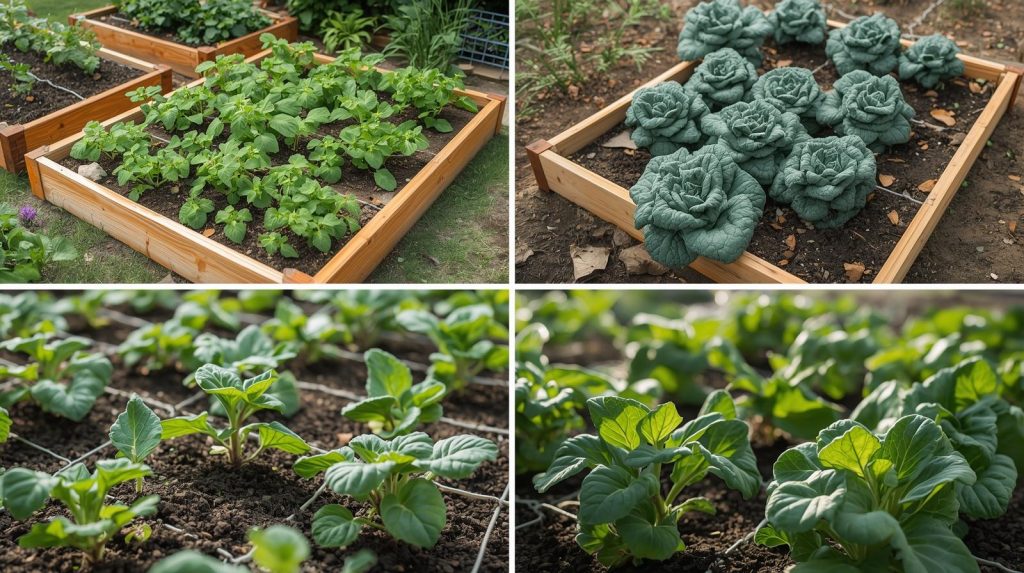
I stumbled across square foot gardening a few years ago, and honestly, it completely changed how I grow vegetables. Instead of messy rows and overcrowded plants, everything has a neat little home. Think of it as “gardening meets organization hacks.”
If you’ve been curious about how to grow more with less space, keep reading—you’re about to learn everything you need to get started.
What is Square Foot Gardening?
At its core, square foot gardening is a method of dividing a raised garden bed into equal 1-foot squares, with each square planted with a specific crop. Instead of planting long rows (like traditional gardening), you maximize your space by carefully planning how many plants fit in each square.
For example:
- One tomato plant per square.
- Four lettuce plants per square.
- Nine bush beans per square.
- Sixteen radishes per square.
This technique was first introduced by Mel Bartholomew in the 1980s, and it’s still one of the most efficient gardening systems around.
Benefits of Square Foot Gardening
So, what makes square foot gardening such a game-changer? Let’s break it down.
1. Space Efficiency
You’ll be amazed at how much you can grow in a small raised bed. Perfect for balconies, patios, or small backyards.
2. Easy to Manage
No endless weeding or wasted soil space. Everything is compact and organized.
3. Less Waste, More Harvest
You grow exactly what you need—nothing extra taking up space. That means less food waste too.
Getting Started with Square Foot Gardening
Choose Your Bed Size
The classic size is 4 feet by 4 feet, giving you 16 squares to play with. But if you’re short on space, you can start with a 3×3 or even a 2×2.
Build or Buy a Raised Bed
- Use untreated wood, metal frames, or even sturdy plastic.
- Depth should be around 6–12 inches to allow roots enough space.
Create the Grid
This is what makes it “square foot” gardening. Use string, wooden slats, or bamboo sticks to divide your raised bed into equal one-foot sections.
Soil Mix for Square Foot Gardening
Soil is everything. Unlike traditional gardening, where you’re stuck with whatever dirt is in your yard, square foot gardening uses a rich soil mix.
A popular blend is called “Mel’s Mix”:
- 1/3 compost
- 1/3 peat moss (or coco coir for a sustainable option)
- 1/3 coarse vermiculite
This lightweight mix ensures good drainage, aeration, and steady nutrients for your plants.
Planning Your Squares: What to Plant and Where
One of the best parts of square foot gardening is the planting guide. Each crop has a recommended number of plants per square.
Plant Spacing Examples
- 1 per square: tomatoes, peppers, eggplants.
- 4 per square: lettuce, Swiss chard.
- 9 per square: spinach, bush beans.
- 16 per square: radishes, carrots, onions.
Crop Rotation in Squares
To keep your soil healthy, rotate crops seasonally. For example, don’t plant tomatoes in the same square back-to-back seasons.
Watering and Maintenance Tips
Since everything is planted close together, square foot gardens need consistent watering.
Tips to Keep in Mind
- Use a drip irrigation system or a simple watering can.
- Water early in the morning to reduce evaporation.
- Mulch with straw or leaves to lock in moisture.
Pest Control in Square Foot Gardening
Because the garden is compact, it’s easier to spot pests early.
- Companion planting: Basil near tomatoes helps deter pests.
- Natural sprays: Neem oil works great for most bugs.
- Physical barriers: A lightweight mesh can protect your greens from hungry caterpillars.
Seasonal Ideas for Square Foot Gardening
Spring
- Radishes, lettuce, peas, and carrots.
Summer
- Tomatoes, peppers, cucumbers, and zucchini.
Fall
- Kale, spinach, and beets.
Winter (indoors or in mild climates)
- Herbs and microgreens.
Square Foot Gardening vs. Traditional Gardening
So, why not just stick with rows? Here’s a quick comparison:
| Feature | Square Foot Gardening | Traditional Gardening |
|---|---|---|
| Space | Compact, efficient | Requires more land |
| Weeding | Minimal | Can be overwhelming |
| Watering | Less water needed | More water required |
| Yield | Higher per square foot | Spread out harvest |
| Setup | Requires planning | Simple but less efficient |
Who is Square Foot Gardening Best For?
- Apartment dwellers with balconies.
- Busy families who want easy upkeep.
- Beginner gardeners who need structure.
- Parents teaching kids about food and nature. (Again, for those interested in family learning and routines, check out these parenting tips
Common Mistakes to Avoid
Even though square foot gardening is simple, there are a few rookie mistakes to steer clear of:
- Overcrowding plants beyond the recommended number.
- Ignoring sunlight needs—most veggies need 6–8 hours of sun.
- Not replenishing soil nutrients between plantings.
- Skipping the grid—without it, you’ll lose the method’s true efficiency.
Conclusion: Is Square Foot Gardening Right for You?
If you’ve been hesitating to start a garden because of limited space, lack of time, or fear of failure, square foot gardening might just be your perfect match. It’s organized, efficient, and incredibly rewarding once you see those little squares bursting with fresh produce.
The beauty of this method is its flexibility—you can start with one small bed and expand as your confidence grows. Whether you want to grow a few herbs for your kitchen or enough veggies to feed your family, the system adapts to your needs.