Imagine walking into your kitchen, plucking fresh basil for tonight’s pasta, or grabbing crisp lettuce for a quick salad—all without stepping foot outside. Sounds dreamy, right? That’s the magic of indoor hydroponic gardening.
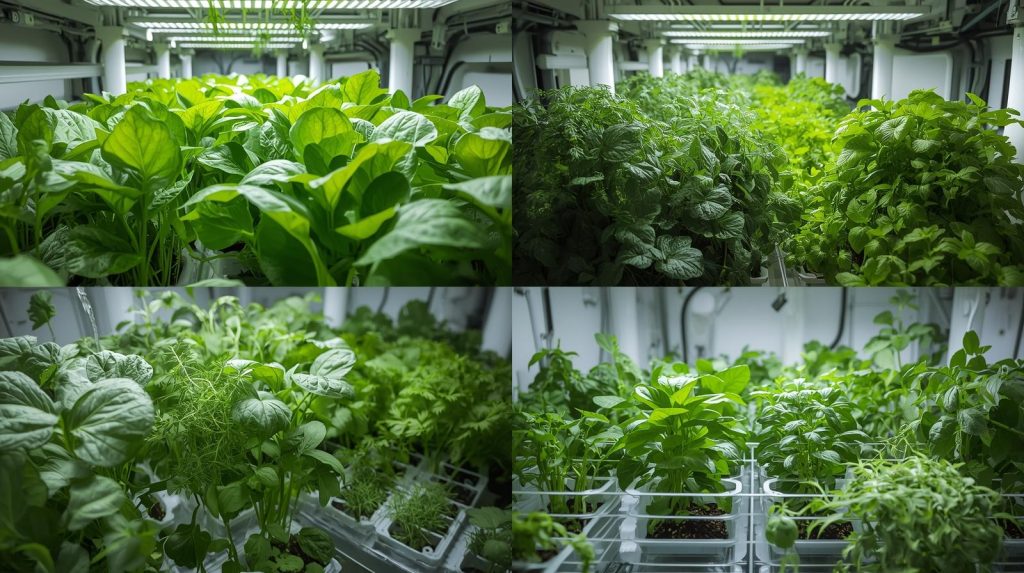
When I first heard about it, I thought it was some high-tech, futuristic thing reserved for scientists. But spoiler alert: it’s totally doable at home, even if you don’t have a backyard or traditional garden space. In fact, my very first system was cobbled together with a plastic tote, a cheap LED light, and a little curiosity. And let me tell you—it worked like a charm!
If you’re curious about how to grow fresh food indoors, soil-free, and year-round, you’re in the right place. Let’s dive into the world of indoor hydroponic gardening DIY, where plants thrive in water, not dirt, and you get to be the proud parent of your own mini jungle .
What is Indoor Hydroponic Gardening?
At its core, hydroponics is growing plants without soil. Instead, you give plants exactly what they need—nutrients, water, and light—in a controlled indoor setup.
Why Go Hydroponic Indoors?
- Year-round harvests: Snow outside? No problem—your lettuce doesn’t care.
- Space saver: Perfect for apartments, condos, or tiny homes.
- Cleaner and easier: No mud, no weeds, fewer pests.
- Water-wise: Hydroponics can use up to 90% less water than traditional gardening.
It’s like taking control of nature’s remote control and hitting fast forward on plant growth. Pretty neat, huh?
Types of Indoor Hydroponic Systems
Before you grab a bucket and start filling it with water, let’s break down the common hydroponic setups.
Deep Water Culture (DWC)
- Plants sit in net pots, roots dangling in nutrient-rich water.
- Air pump keeps roots oxygenated.
- Super beginner-friendly.
Nutrient Film Technique (NFT)
- Nutrient solution flows continuously over roots in a shallow stream.
- Efficient but needs a pump running 24/7.
Wick System
- Uses absorbent wicks to pull nutrients to plant roots.
- No pumps, no electricity—great for herbs or small greens.
Ebb and Flow (Flood and Drain)
- Tray floods with nutrients, then drains.
- Good for larger plants but requires more setup.
Aeroponics
- Roots hang in air, misted with nutrients.
- Amazing efficiency, but a bit tricky for beginners.
If you’re just dipping your toes in, I recommend starting with DWC. It’s cheap, simple, and perfect for a first try at hydroponic gardening DIY indoors.
What You’ll Need for Indoor Hydroponic Gardening
Alright, let’s talk gear. Setting up a small system doesn’t have to cost a fortune. Here’s a starter list:
- Container or bucket (5–10 gallons) → dark plastic to block light.
- Net pots → hold your plants.
- Grow medium → clay pebbles, perlite, or rockwool.
- Air pump + air stone → oxygenates water.
- Hydroponic nutrients → balanced mix for veggies and herbs.
- pH kit + adjusters → keep solution between 5.5–6.5.
- LED grow lights → must-have if you don’t have strong natural light.
Optional but helpful: a small fan for airflow (prevents mold) and a timer for your lights.
DIY Setup: Step-by-Step
Ready to roll up your sleeves? Here’s how I built my first indoor hydroponic gardening DIY system.
Step 1: Prep Your Container
Drill holes in the lid of your bucket or tote for net pots. Each hole should fit snugly.
Step 2: Install Aeration
Drop the air stone in the bottom, connect it to your air pump, and plug it in. Bubbles = happy roots.
Step 3: Mix Nutrient Solution
Fill the container with water. Add hydroponic nutrients per instructions. Check the pH—it should sit between 5.5–6.5.
Step 4: Add Plants
Place seedlings (not seeds, trust me, it’s easier this way) in net pots filled with clay pebbles or rockwool. Slide pots into holes.
Step 5: Set Up Lighting
Hang LED grow lights 12–18 inches above plants. Adjust height as they grow.
Boom—you’ve just built a mini indoor farm .
Best Plants for Indoor Hydroponic Gardening
Not all plants love hydroponics, but plenty thrive. Start with these winners:
- Leafy greens: Lettuce, spinach, kale, bok choy.
- Herbs: Basil, mint, cilantro, parsley.
- Fruiting crops: Cherry tomatoes, peppers, strawberries.
- Quick growers: Arugula, green onions, mustard greens.
Pro tip: Go for leafy greens first. They grow fast, give you quick wins, and build confidence.
Light, Water, and Nutrients: The Big Three
Your indoor hydroponic garden runs on three essentials.
Lighting
- Leafy greens: 14–16 hours/day.
- Fruiting plants: 12–14 hours/day.
- Use timers to automate (and save your sanity).
Water & Nutrients
- Change water every 2 weeks.
- Keep nutrient levels balanced.
- Monitor with a TDS/EC meter if you want to get nerdy.
Airflow
- Plants like a breeze. A small fan keeps air moving and prevents mold.
Troubleshooting Common Issues
Don’t worry if things don’t go perfectly at first. Here are some common hiccups:
- Yellow leaves? Could be nutrient deficiency or pH imbalance.
- Slimy roots? Not enough oxygen—check your pump.
- Algae growth? Light’s hitting your water—cover or darken your container.
- Slow growth? Check light hours and nutrient strength.
Think of it as your plants texting you when something’s off—they’re just asking for a little TLC.
My Indoor Hydroponics Story
I’ll never forget my first indoor harvest. I had this scrappy setup in my laundry room: a tote, a desk lamp with a grow bulb, and six lettuce seedlings. Honestly, I wasn’t sure it would work. But three weeks later, I had the crunchiest, freshest lettuce I’d ever tasted.
Now, I’ve expanded to herbs and even strawberries indoors. My friends joke that I’ve got a salad factory in my living room . It’s cleaner, faster, and more fun than my outdoor garden ever was.
Why Indoor Hydroponic Gardening is Worth It
- Fresh food anytime: No waiting for spring.
- Control freak approved: You manage light, nutrients, and water.
- Eco-friendly: Saves water and cuts down on store-bought produce.
- Therapeutic: Watching plants grow is oddly calming after a long day.
Honestly, it’s part science experiment, part home décor, and part food production. What’s not to love?
Conclusion
So, there you have it—your crash course in indoor hydroponic gardening. It’s not just for tech-savvy gardeners or science labs; anyone can do it with a little creativity and a bucket.
Quick recap:
- Hydroponics = growing plants in water, not soil.
- Start simple with a DWC system.
- Gear needed: container, air pump, net pots, grow medium, nutrients, and lights.
- Best starter crops: leafy greens and herbs.
- Key to success: monitor light, pH, and nutrients.